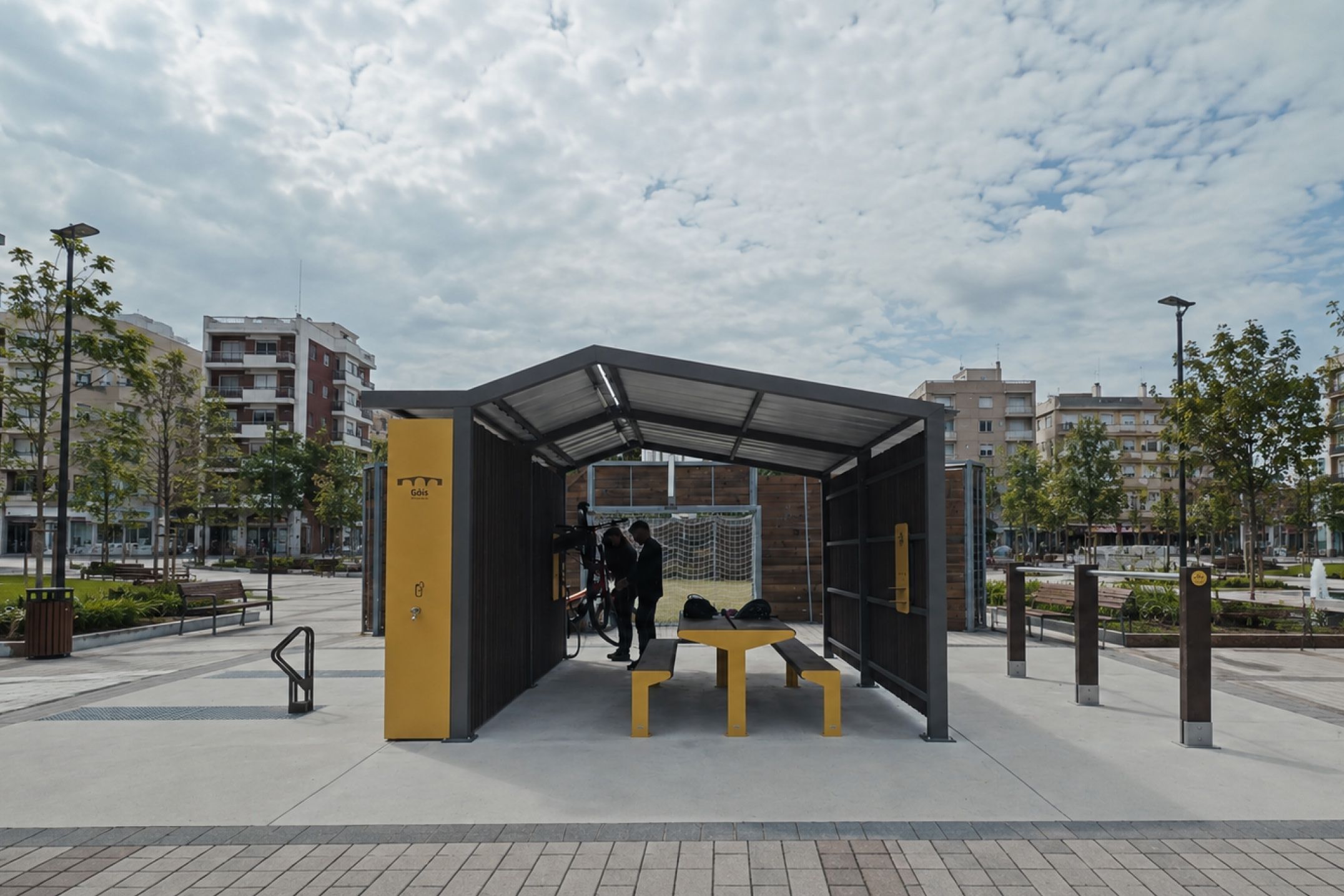
Cities have never evolved as rapidly as they do today. The pressure to reduce emissions, adapt public spaces to climate change, promote new forms of mobility, and create more inclusive communities is redefining how architects, urban planners, and municipalities design the territory.
Five trends that are transforming cities — and that Floema will present at Galabau 2026
- Soft mobility is no longer an alternative and becomes the priority
- Microarchitecture: when small structures create major impact
- Inclusion is no longer a requirement and becomes a design principle
- Circular economy as a starting point
- Smart cities begin with small details
At the same time, expectations are rising for public spaces to move beyond a simple transit function and become true places for staying, meeting, and well-being. It is no longer enough to install urban furniture or signage. Today, each element is expected to help improve people’s experience, strengthen the identity of places, and respond to the environmental challenges of the coming decades.
It is precisely this vision that will be in the spotlight at Galabau 2026, in Nuremberg — one of the leading international trade fairs dedicated to the planning, construction, and maintenance of outdoor spaces. For Floema, this participation also marks an important milestone: the beginning of a new stage in our internationalisation, with our entry into the Central European market.
More than presenting new products, we want to take part in a conversation that is transforming European cities.
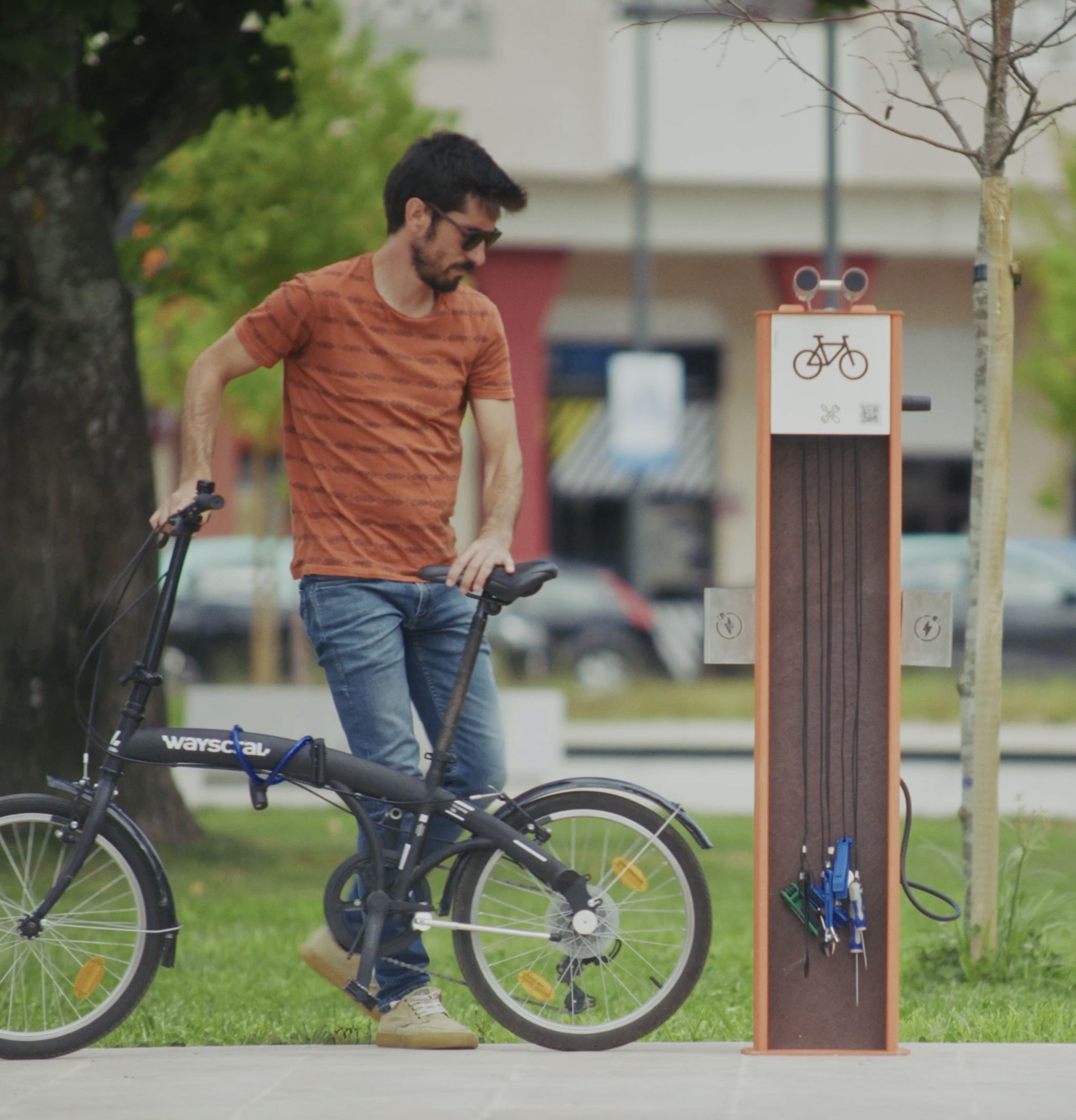
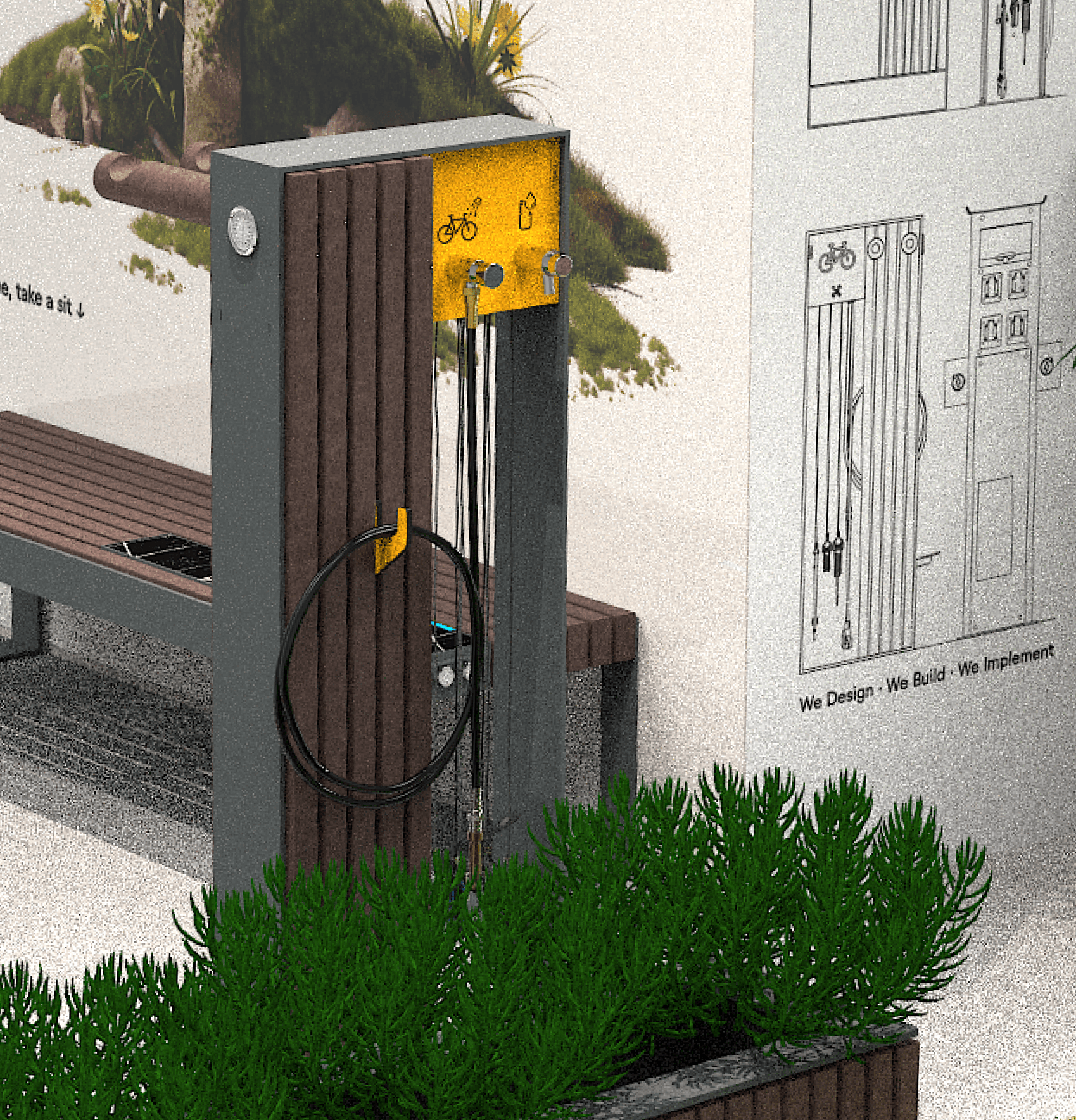
Bike Station Plaza
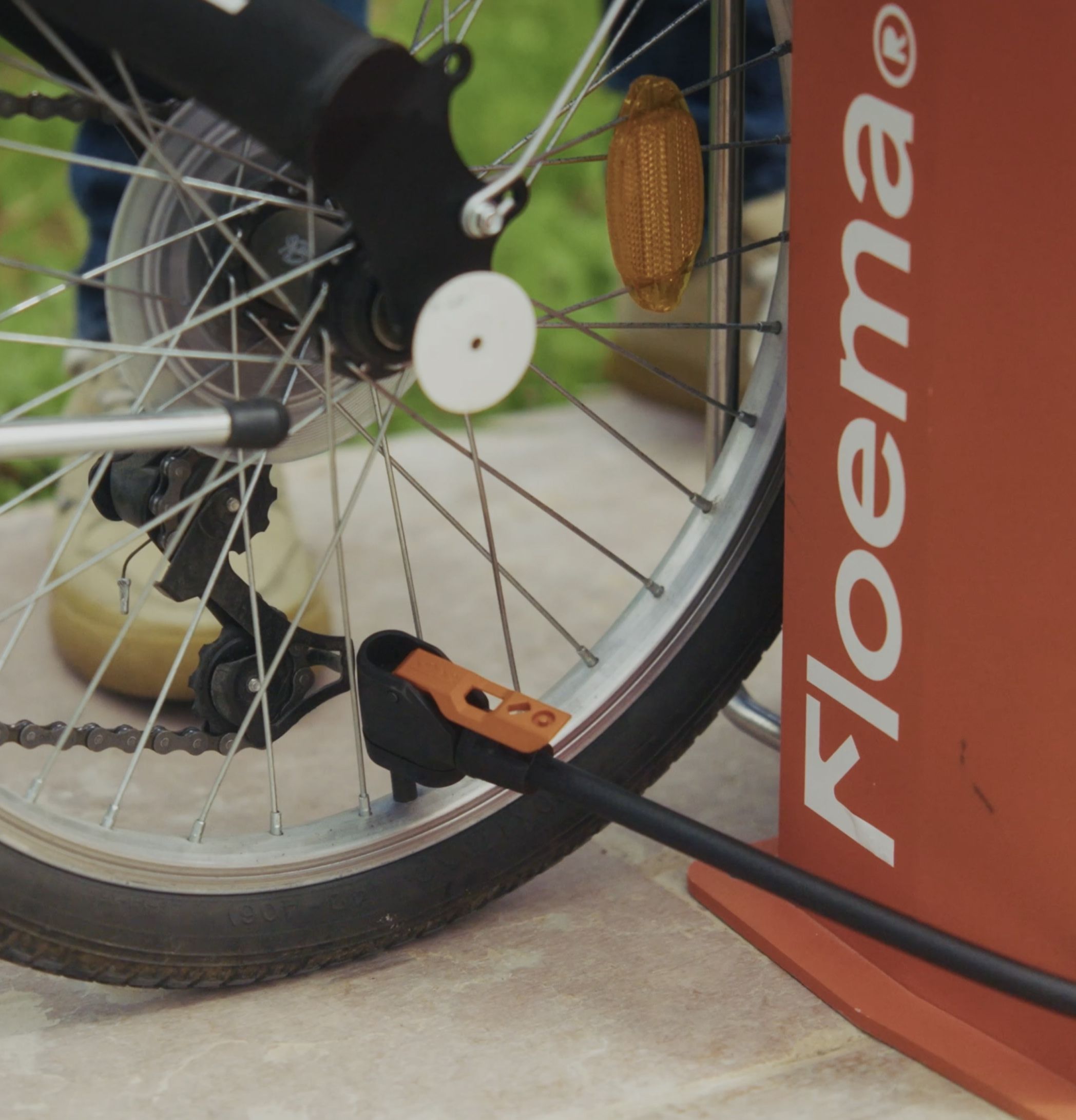
Bike Station Plaza
Public space has become a strategic infrastructure
For many years, urban furniture was seen as a set of complementary elements: benches, litter bins, signage, or planters distributed throughout public space.
Today, that vision has changed.
More and more, cities and designers see this equipment as an integral part of urban infrastructure. These elements influence mobility, accessibility, safety, how long people stay in a place, and even how a community relates to the space it inhabits.
This transformation is driving a new generation of urban solutions, developed to meet very concrete needs.

SMART bench Frame
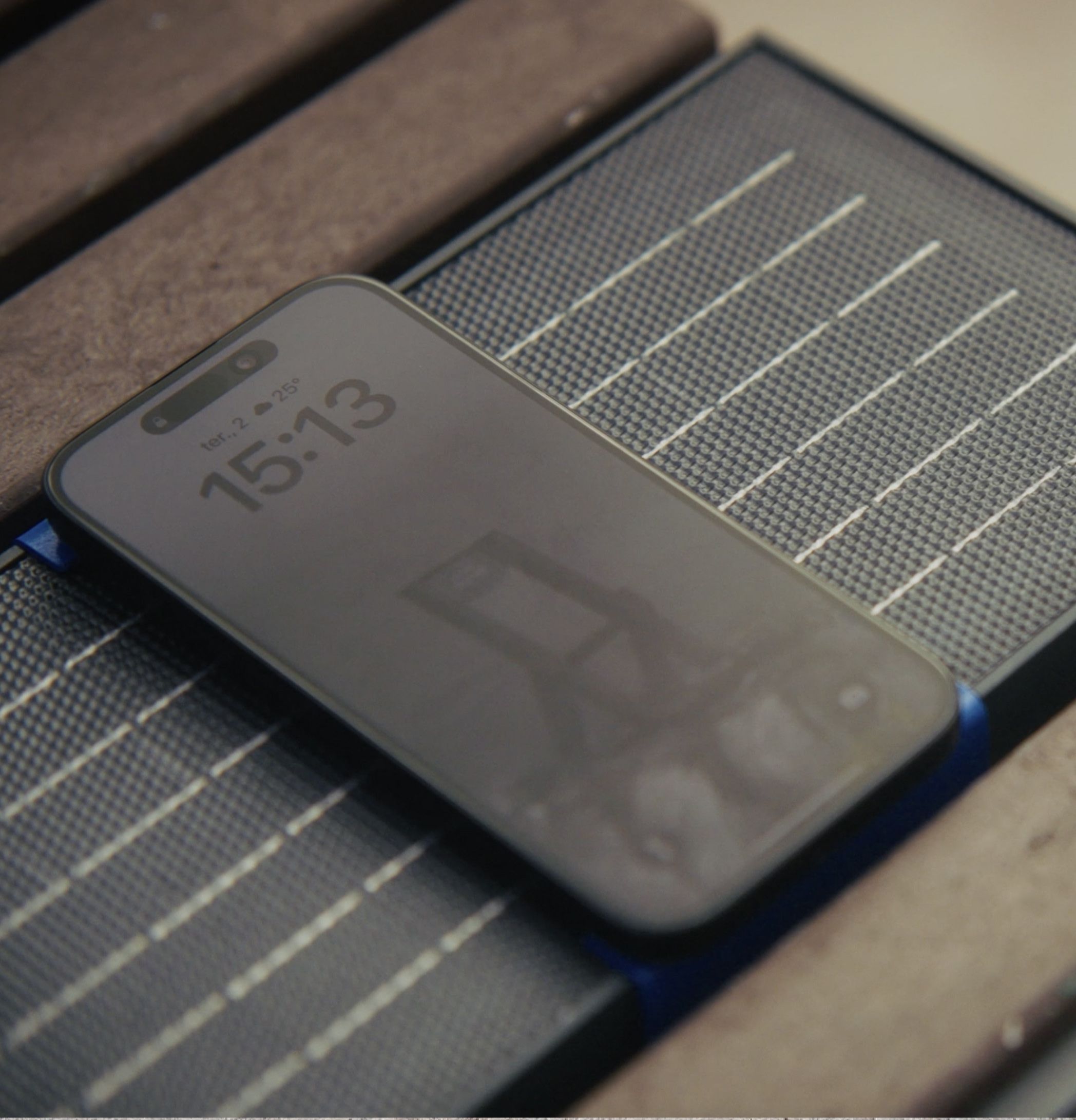
Charging module
Five trends that are redefining European public space
1.Soft mobility is no longer an alternative and becomes the priority
Bicycles and other micromobility modes are no longer just a trend. They are now an integral part of the mobility strategies of many European cities.
This change requires new infrastructure that can support people who choose more sustainable ways of moving. Support stations for bicycles, charging points for electric bicycles, maintenance areas, and secure parking spaces are beginning to be naturally integrated into contemporary urban projects.
At Floema, this reality is already part of our identity. Innovation in the development of equipment that meets the needs of soft mobility has led to the creation of the Bike Station Plaza, a modular system that can integrate electric charging, water supply, and different configurations adapted to the needs of each project.
Because promoting soft mobility means much more than creating cycle paths. It means creating an entire infrastructure that encourages people to use them.
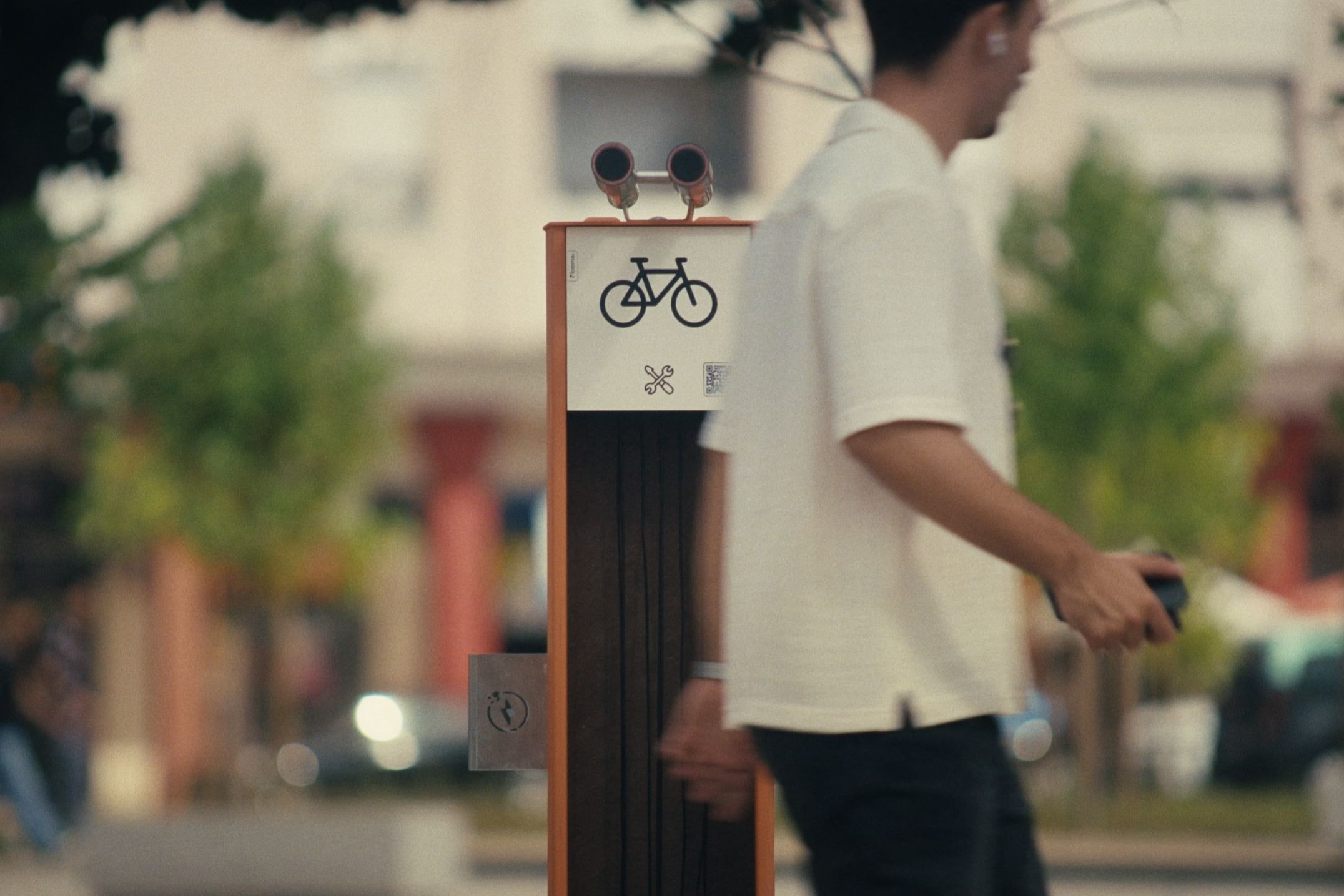
Bike Station Plaza
2.Microarchitecture: when small structures create major impact
Not all urban transformations require large buildings.
In many cases, small structures placed strategically can significantly improve the user experience and add new functions to public space.
It is in this context that urban microarchitecture emerges: compact solutions that bring different services together in a single point, creating new spaces for meeting and use.
Bus stops that include rest areas, hubs dedicated to soft mobility, support structures for tourism, or community spaces are examples of an approach that is increasingly present in contemporary cities.
More than equipment, they become connection points between people, services, and territory.
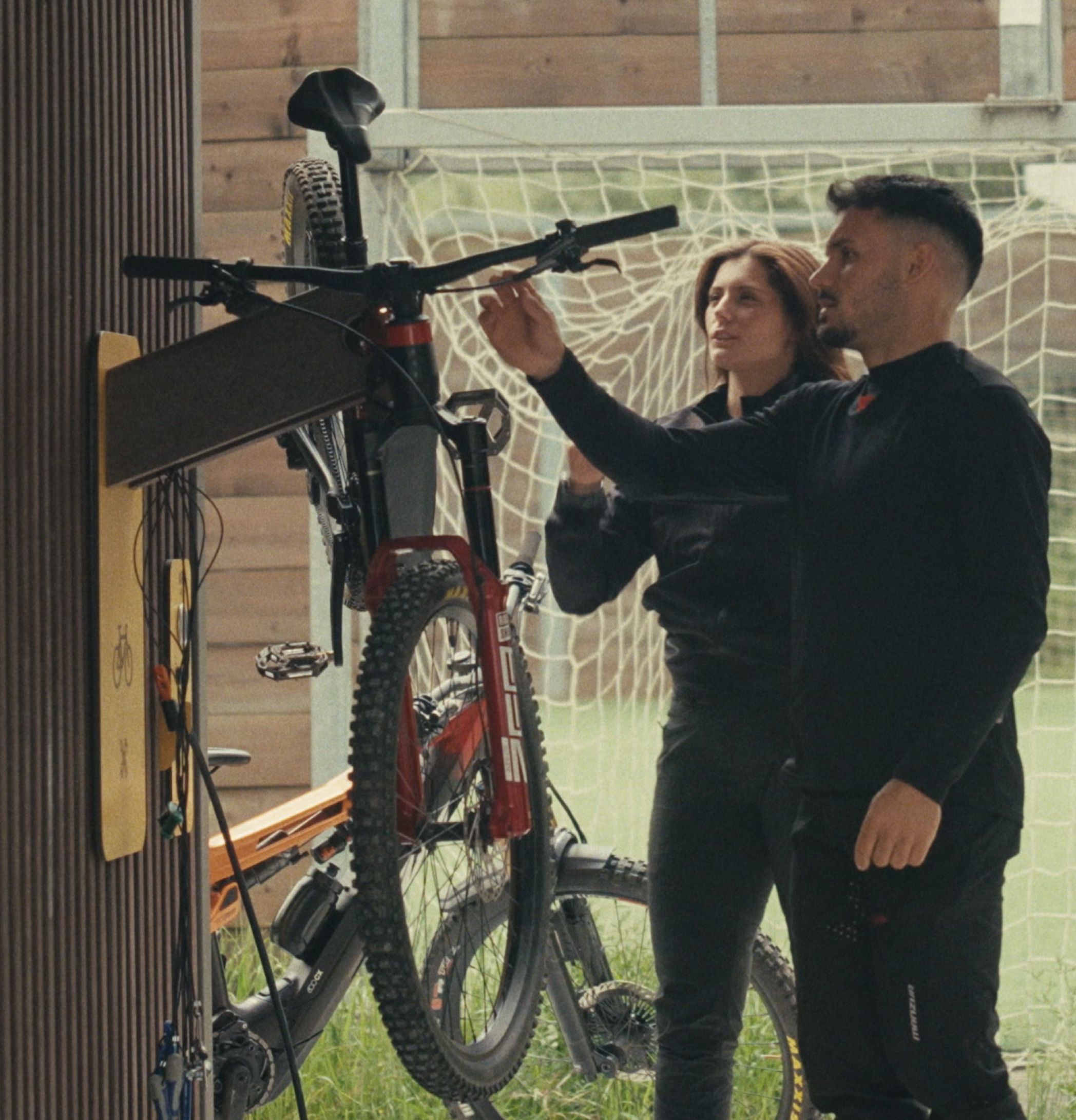
Cycling Hub
3.Inclusion is no longer a requirement and becomes a design principle
Designing cities for everyone is no longer only a matter of regulatory accessibility. It is now a fundamental principle of contemporary urban design.
Equipment that can respond to different ages, physical abilities, and ways of use makes public space more democratic and more human.
This concern extends to elements that seem simple, such as a drinking fountain.
The ALL, from the Frame line, was developed precisely with this vision: to create equipment accessible to different users, promoting universal access to water and reinforcing the idea that public space truly belongs to everyone.
Because a good urban project is often measured by how it welcomes those who need it most.
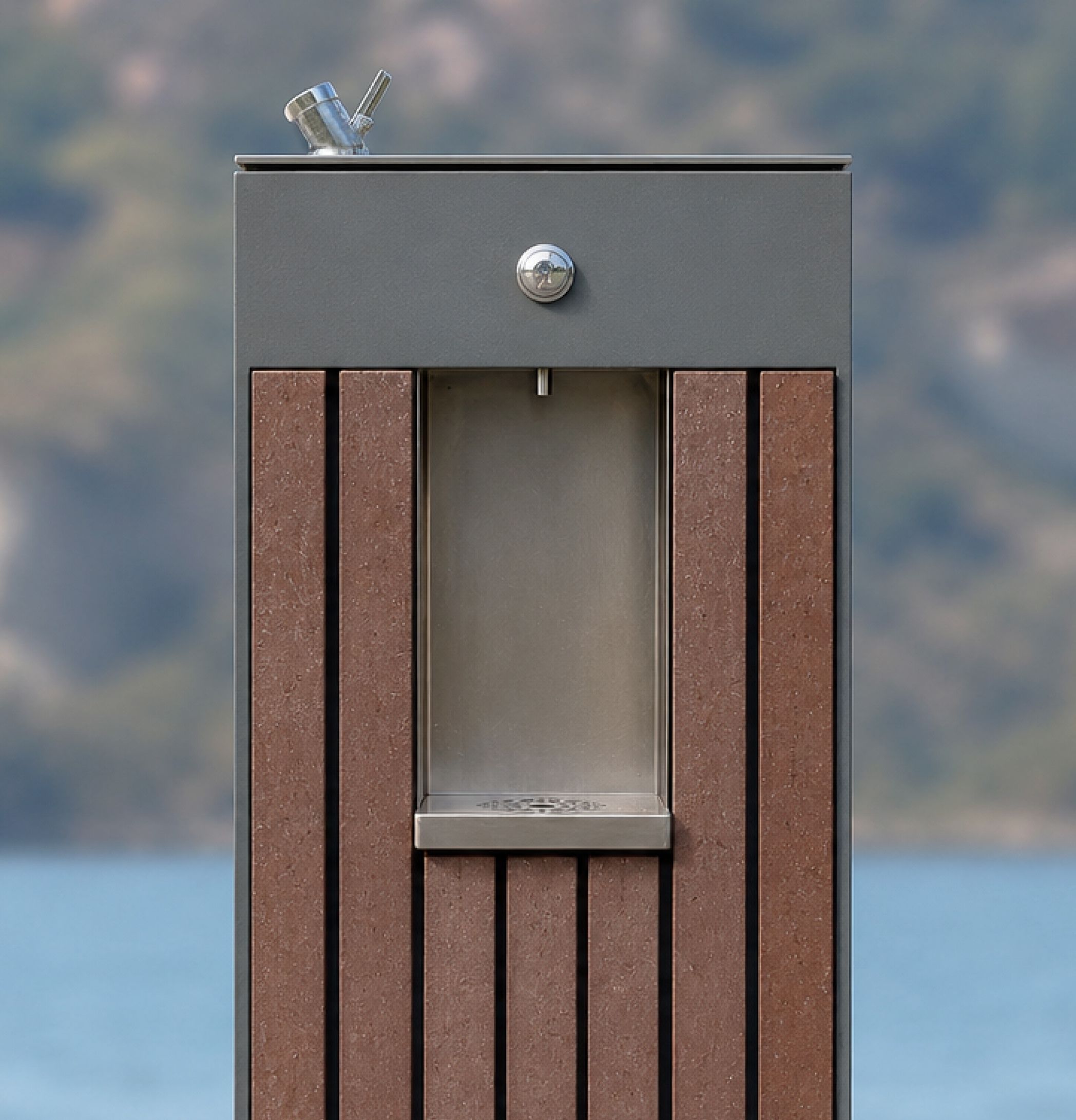
All Frame drinking fountain
4.Circular economy as a starting point
Sustainability is no longer limited to the choice of materials. It has become a way to think about the entire life cycle of products.
Durability, ease of maintenance, potential for recycling, and the use of recycled raw materials are now fundamental criteria in any urban project.
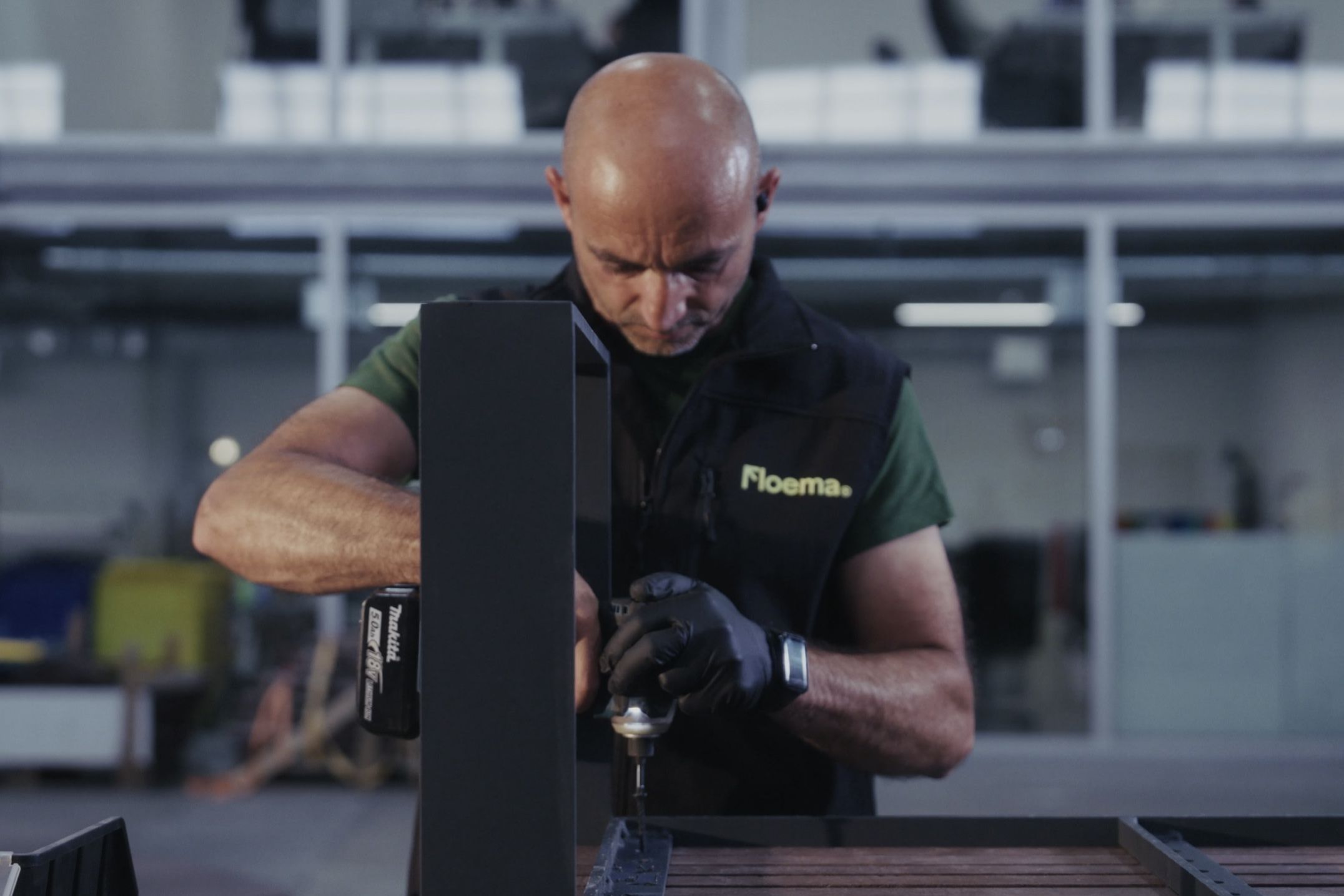
At Floema, this vision takes shape in the growing use of recycled plastic in furniture, structures, and construction components — materials that reduce maintenance needs, increase durability, and support more efficient resource management.
The circular economy is no longer a trend.
It is a responsibility.
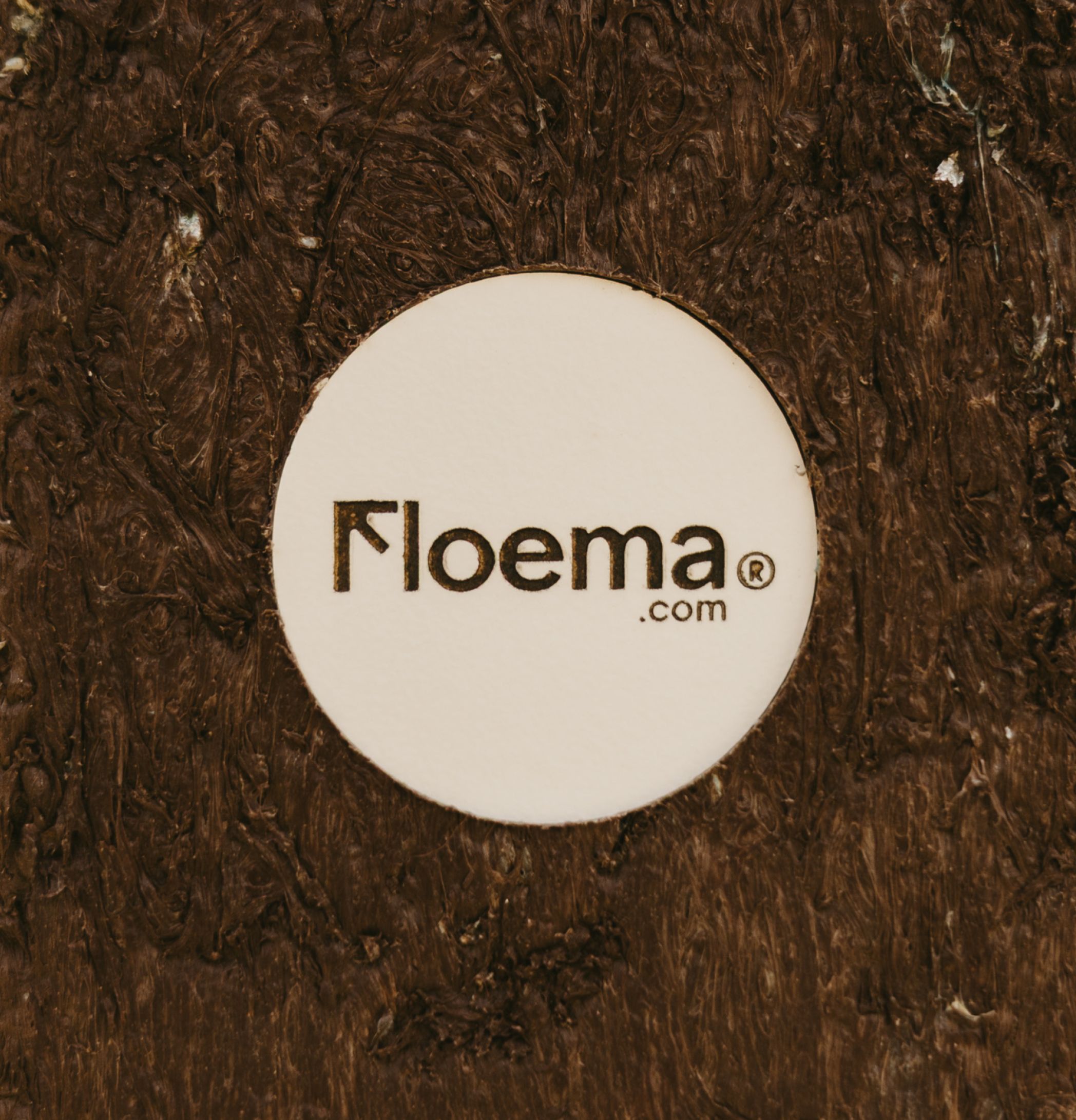
Recycled plastic Floema
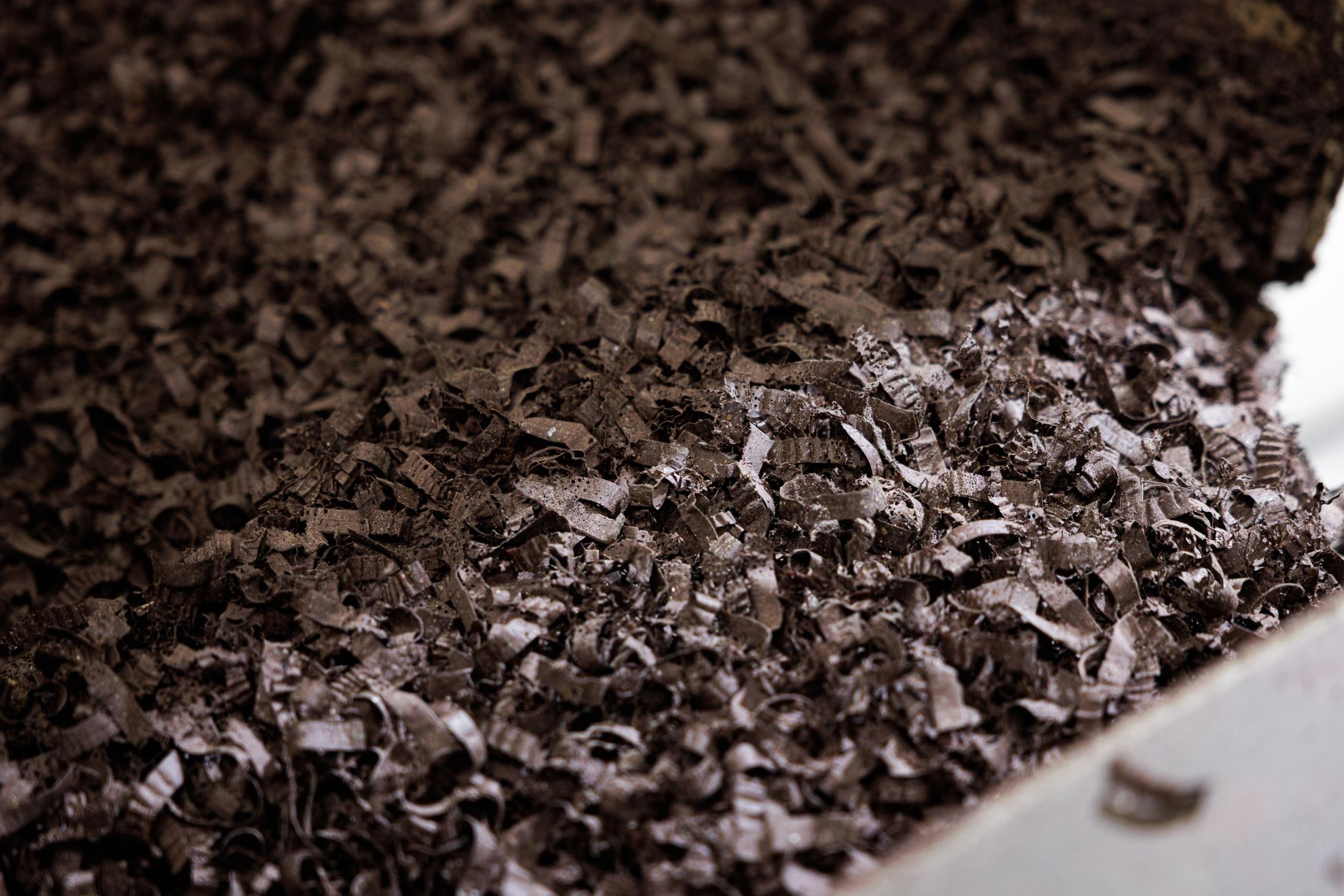
Recycled plastic Floema
5.Smart cities begin with small details
When we think of Smart Cities, we often imagine sensors, digital platforms, or artificial intelligence.
But a smart city is also built through small solutions that can improve people’s everyday lives.
Urban benches powered by solar energy, charging points for mobile devices, efficient lighting systems, or energy‑autonomous equipment make public space more useful, more comfortable, and better prepared to respond to new urban habits.
Technology ceases to be a visible element and becomes a natural part of the city experience.
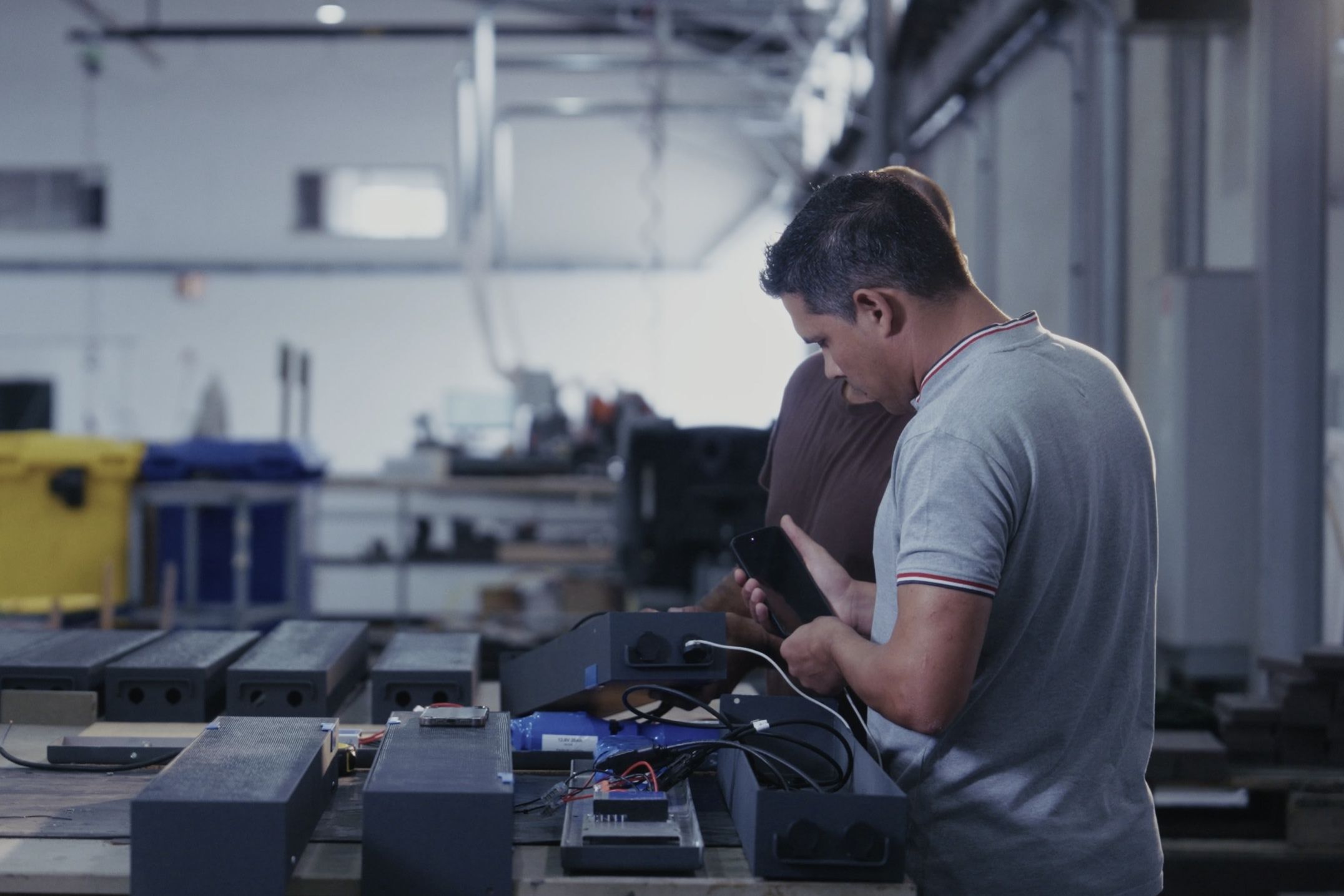
Charging module
SMART Frame bench
The role of design in the transformation of the territory
All these trends share a common principle.
Design no longer responds only to an aesthetic dimension. It now plays a strategic role in building spaces that are more sustainable, more resilient, and more human.
Each project today represents a balance between functionality, landscape integration, environmental responsibility, and user experience.
It is precisely this multidisciplinary approach that we seek to develop in every Floema solution.
Because we believe that good design does not draw attention to itself.
Simply make spaces work better.
From the Iberian Peninsula to Central Europe
After consolidating our presence in Portugal and Spain, we now begin a new chapter in Floema’s history.
Participation in Galabau 2026, in Nuremberg, marks the first step in our entry into the Central European market — a market that is particularly demanding in public space design, sustainability, and innovation.
Between 15 and 18 September, we will be present at Hall 1, Stand 539, presenting solutions developed to address the challenges of contemporary cities: soft mobility, smart urban furniture, microarchitecture, signage, sustainable equipment, and solutions produced in recycled plastic.
More than presenting products, we want to share a vision.
Galabau 2026
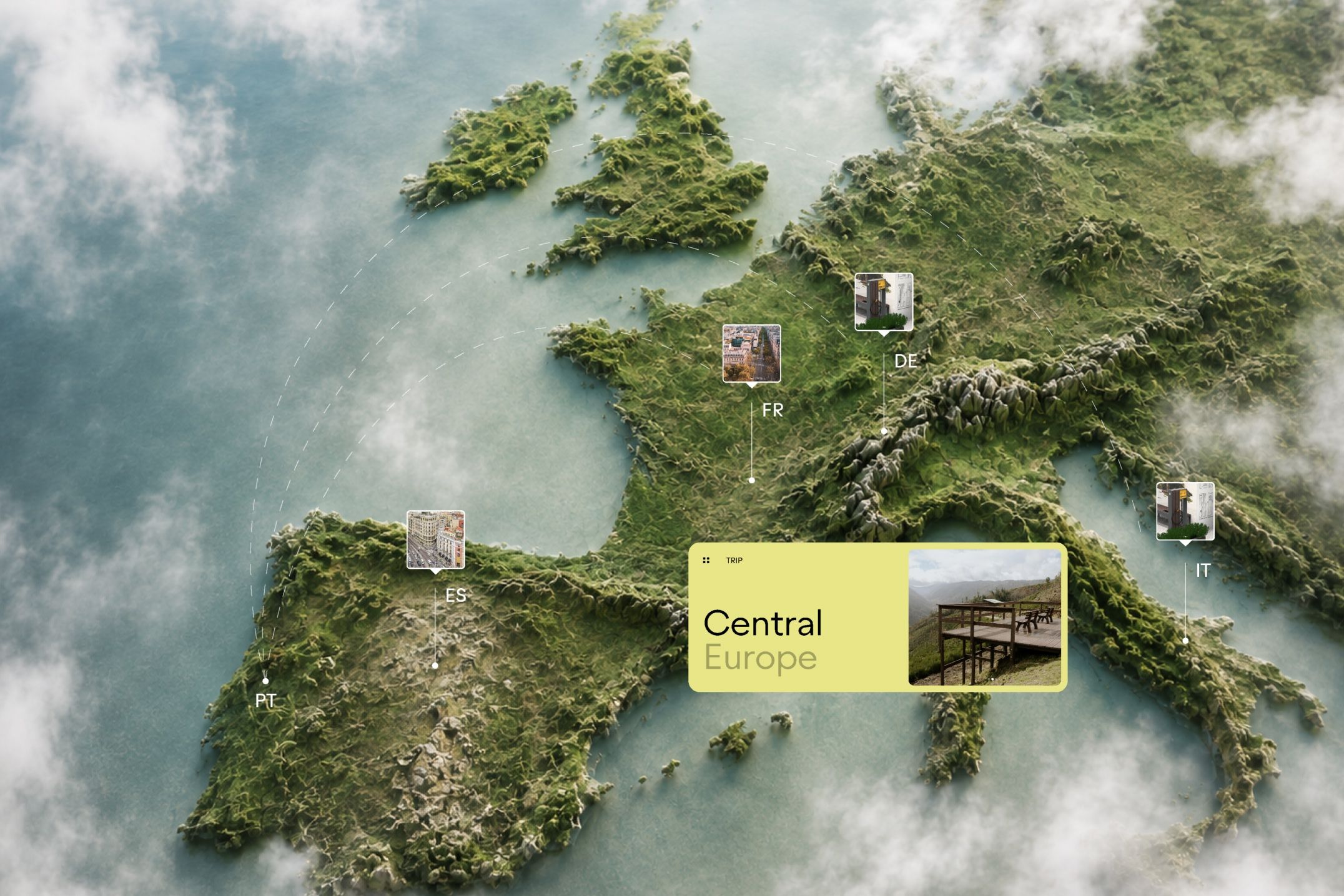
Floema’s export plan for Central Europe
The future is built place by place
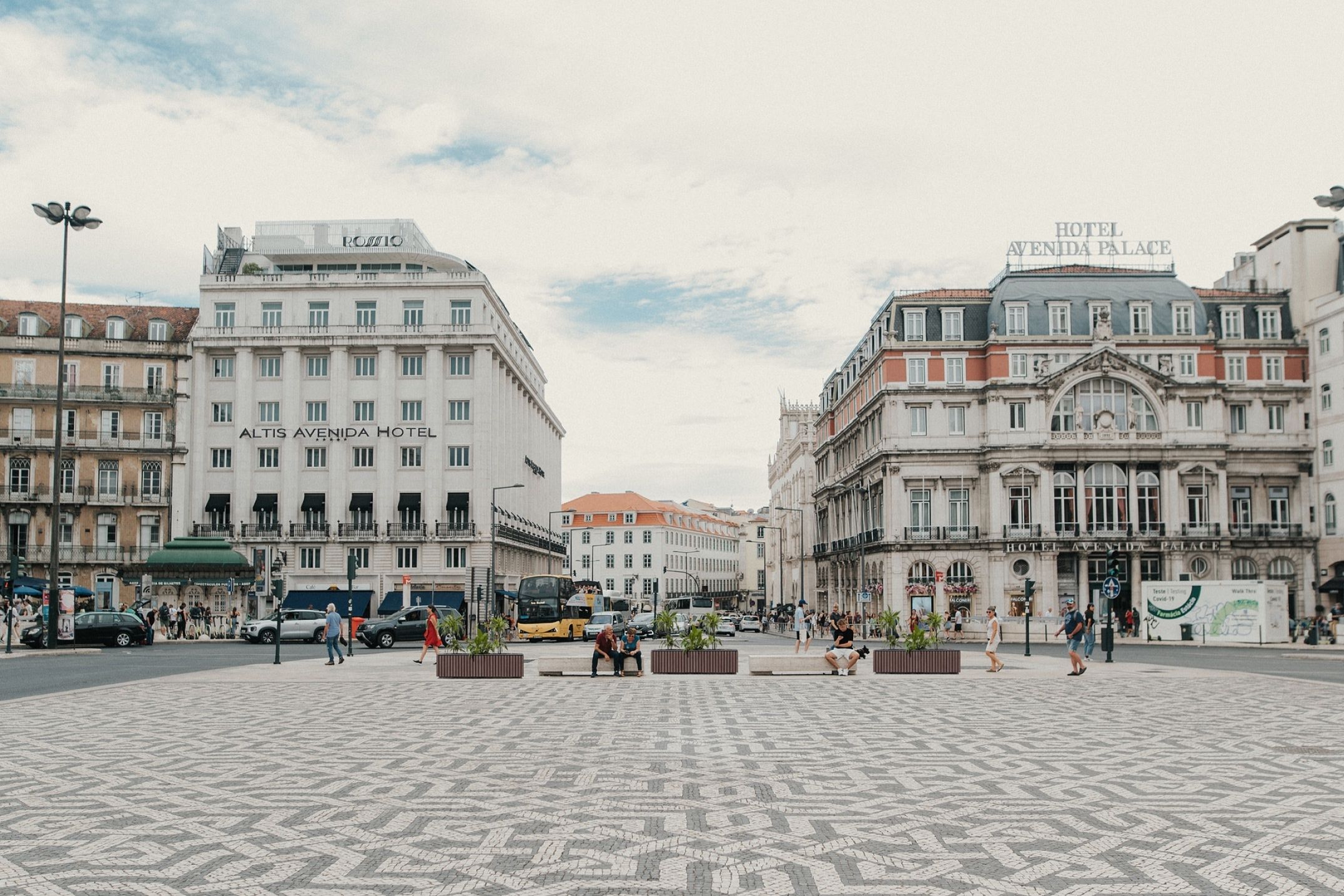
Frame Planter
Cities do not change only through large projects.
They become the small decisions that make a street more comfortable, a park more inclusive, a route more intuitive, or a square more inviting.
We believe that the future of public space is built precisely there: in the ability to design places that meet people’s needs without losing sight of the territory they inhabit.
This is the vision that guides us every day.
And this is the vision we will bring to Galabau 2026.