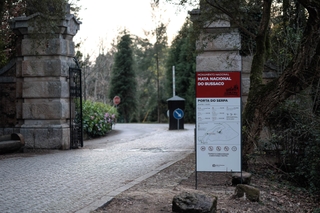

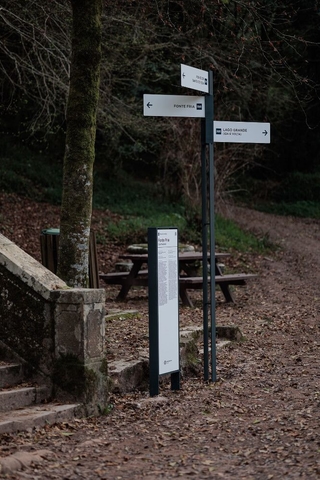
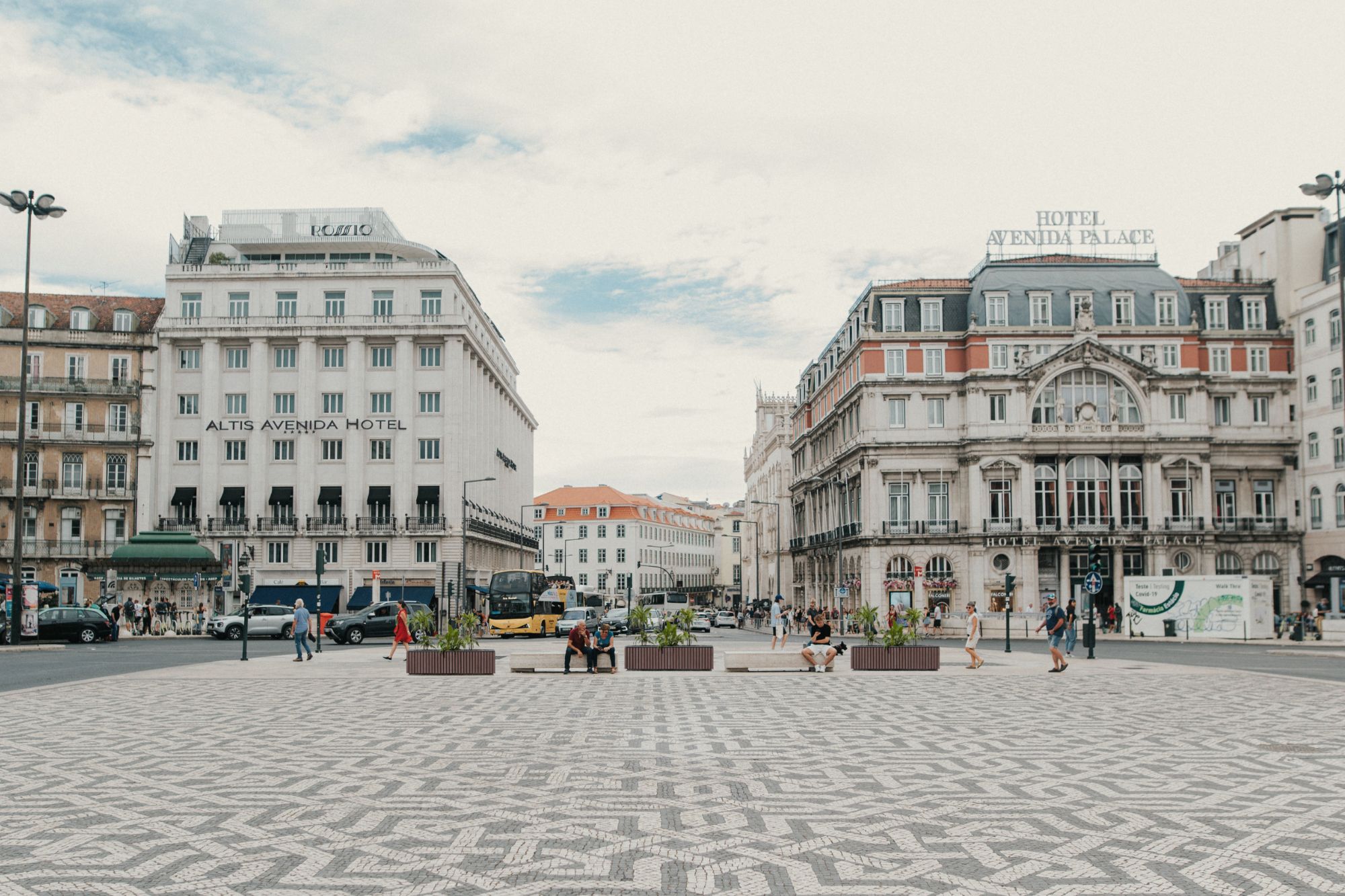
For decades, cities were designed for traffic and passage. Squares became empty, streets became transit corridors and many public spaces lost their dimension of encounter. Floema Urban intervenes in this territory. It develops and produces solutions that reorganise urban space, introduce legibility, create pauses and return to cities their habitable dimension. Here, signage, furniture and equipment are not isolated elements — they form systems that structure space and reactivate urban life.
Areas of implementation
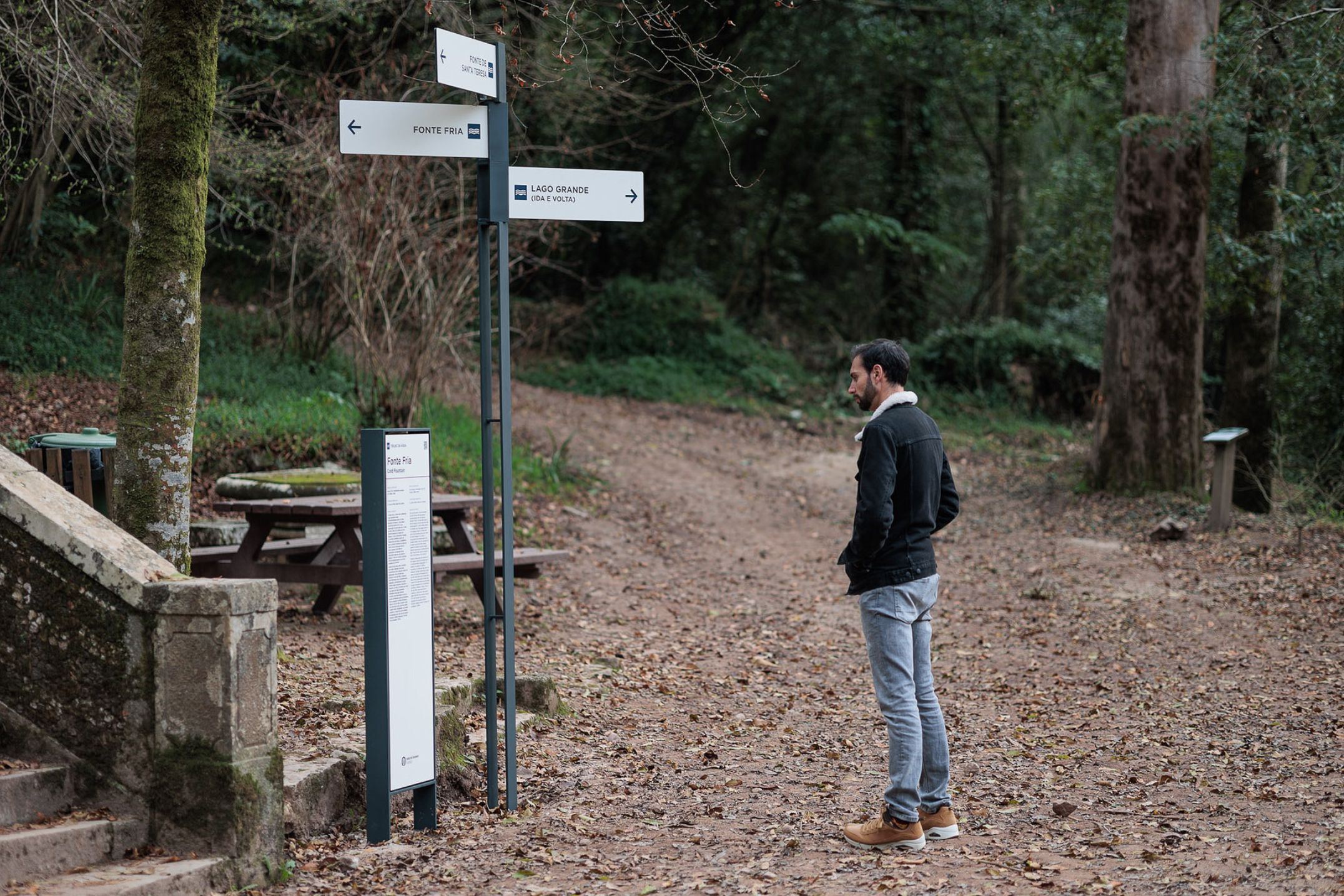
Frame directional signage and information totem
Floema Urban develops, produces and installs solutions for city centres, historic areas, riverfronts, squares, urban parks and public gardens, as well as soft mobility networks, cycle paths, pedestrian routes and cultural and tourist routes.
It operates in territories where the city must be reorganised, made legible and reappropriated by communities.
Developed solutions
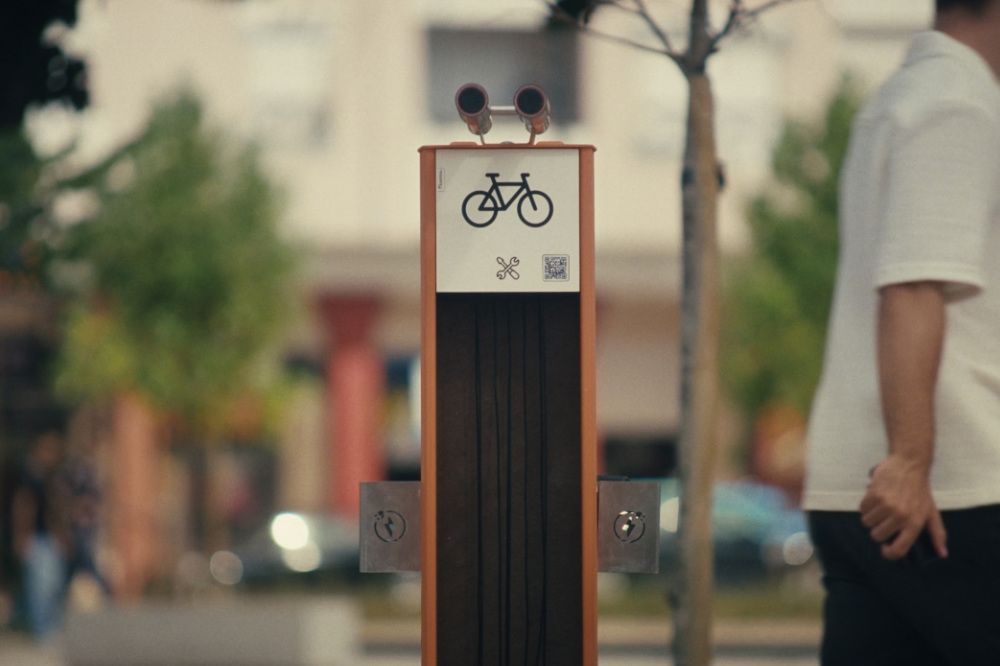
Plaza bike station Charge
Floema Urban develops systems of urban and tourist signage, permanence furniture, public space support equipment and orientation infrastructures.
Each element is conceived as part of a continuous system that organises flows, structures routes and introduces places for pause and social interaction.
Creating public spaces that invites people to stay

Frame Smart bench without backrest
Floema Urban introduces areas of permanence, rest and social interaction, transforming transit zones into places of encounter.
Benches, loungers, litter bins, recycling points, shading elements and support structures rebuild the human scale of public space.
Soft mobility as urban structure
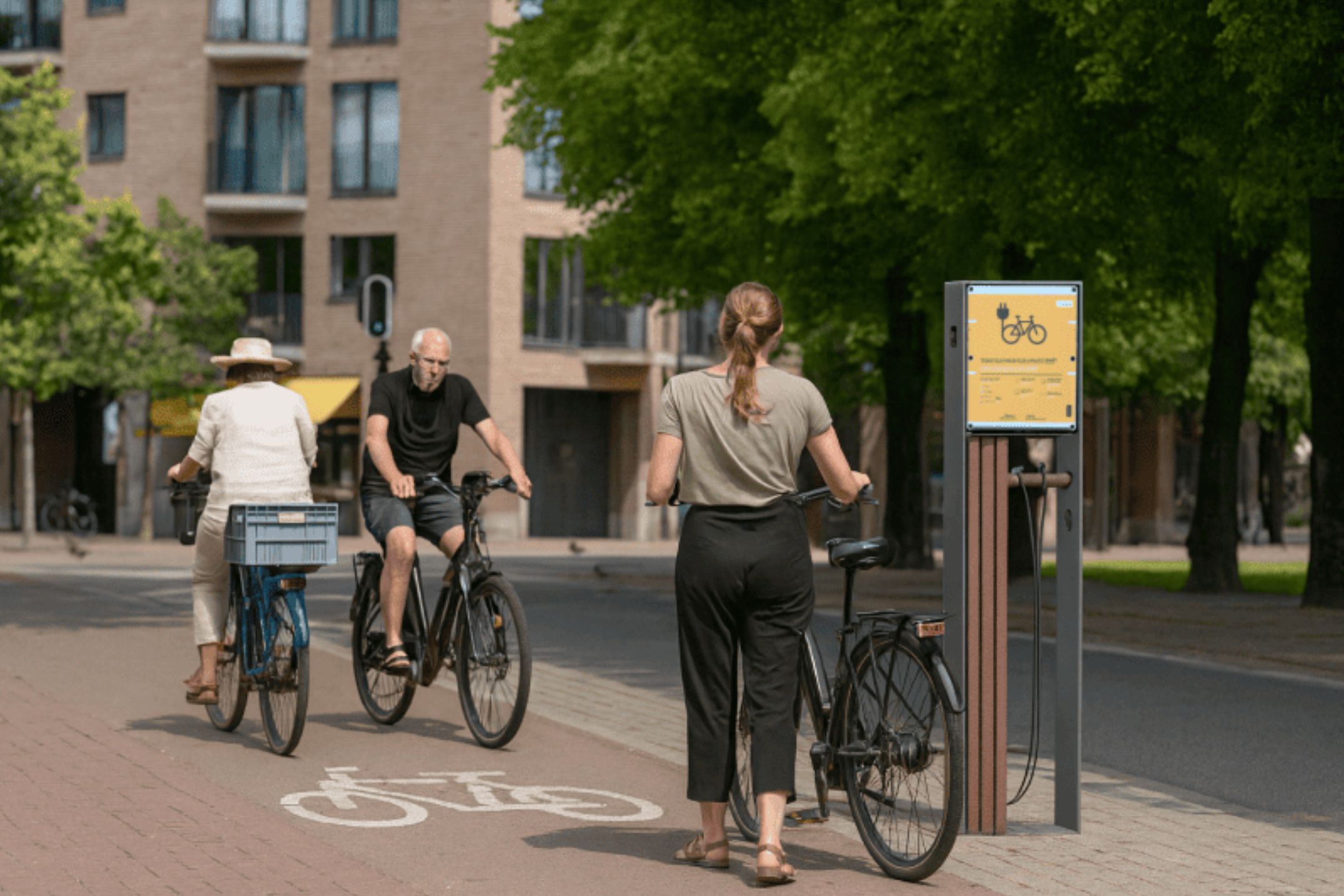
Frame e-bike charger
Urban systems support pedestrian and cycling circulation, promoting more sustainable, safer and more legible movements. Bollards, bicycle repair stations, mobile device charging points and electric soft mobility infrastructure are integrated into the territory.
The city becomes more accessible, closer and more lived.